

Across Northampton and the wider Northamptonshire region, sandblasting has become one of the most effective ways to restore, clean, and prepare surfaces — from time-worn brickwork and stone façades to timber beams, steel structures, and even industrial flooring. Yet “sandblasting” is only part of the story. Modern abrasive blasting now includes a range of specialist techniques such as shot blasting and soda blasting, each designed for different materials and outcomes.
Choosing the right method isn’t just about removing paint or rust — it’s about preserving character, preventing damage, and achieving the perfect finish for what comes next.
What Is Abrasive Blasting?
Abrasive blasting uses high-velocity air (sometimes mixed with water) to propel fine particles — known as the abrasive media — at a surface. The goal is to remove contaminants, paint, corrosion, or build-up, or to prepare the substrate for recoating. The type of abrasive used can vary dramatically: from sharp-edged mineral grit for cutting through heavy layers, to soft sodium bicarbonate for cleaning delicate surfaces.
In a place like Northampton, where listed buildings, heritage brickwork, and modern industrial sites sit side by side, the correct blasting method makes all the difference between careful restoration and costly surface damage.
Sandblasting Northampton
The Classic Choice for Deep Cleaning and Paint Removal
Sandblasting remains one of the most versatile and powerful blasting methods available. Using mineral abrasives — often garnet, glass grit, or aluminium oxide — the process cuts through coatings, grime, and corrosion to reveal a clean, solid surface underneath. Whether it’s restoring the colour of soot-stained brick, removing layers of old paint from timber beams, or preparing steel for repainting, sandblasting offers the force and precision needed for lasting results.
Best Used For:
- Heavy rust and corrosion removal on steelwork and metal structures
- Paint and coating removal on brick, stone, or timber
- Surface preparation before repainting or rendering
Ideal Surfaces:
- Exterior brick and stone walls
- Structural steel frames
- Timber beams and trusses (using lower pressures to preserve the wood grain)
In Northampton, sandblasting is often used to bring Victorian brick façades, industrial units, and barn conversions back to life — revealing natural textures long hidden beneath layers of paint and pollution.
Shot Blasting Northampton
Industrial Strength Cleaning and Surface Profiling
Shot blasting uses metallic media — such as steel shot or grit — propelled at extremely high velocity. It’s designed for tougher materials and heavy-duty cleaning, often used in factories, workshops, and construction settings. Unlike sandblasting, shot blasting can also profile the surface — giving steel or concrete a specific roughness that helps new coatings adhere better.
Best Used For:
- Removing thick paint, mill scale, or corrosion
- Preparing steel for coating, welding, or galvanising
- Cleaning concrete or metal floors in industrial environments
Ideal Surfaces:
- Steel beams, girders, and machinery
- Concrete floors and surfaces before sealing or repainting
- Large industrial plant and equipment
In Northampton’s commercial and manufacturing sectors, shot blasting is the go-to method for refurbishing industrial flooring, cleaning steelwork, or preparing metal structures for a new finish.
Soda Blasting Northampton
Gentle Cleaning for Delicate or Historic Surfaces
Soda blasting takes a completely different approach. Using sodium bicarbonate as the blasting media, it provides a much softer touch than mineral or metallic abrasives. The particles fracture on impact, loosening surface dirt or coatings without cutting into the material beneath. It’s ideal for heritage restoration or sensitive cleaning projects where preserving detail matters more than raw power.
Best Used For:
- Cleaning fire or smoke damage
- Stripping paint from wood, stone, or brick
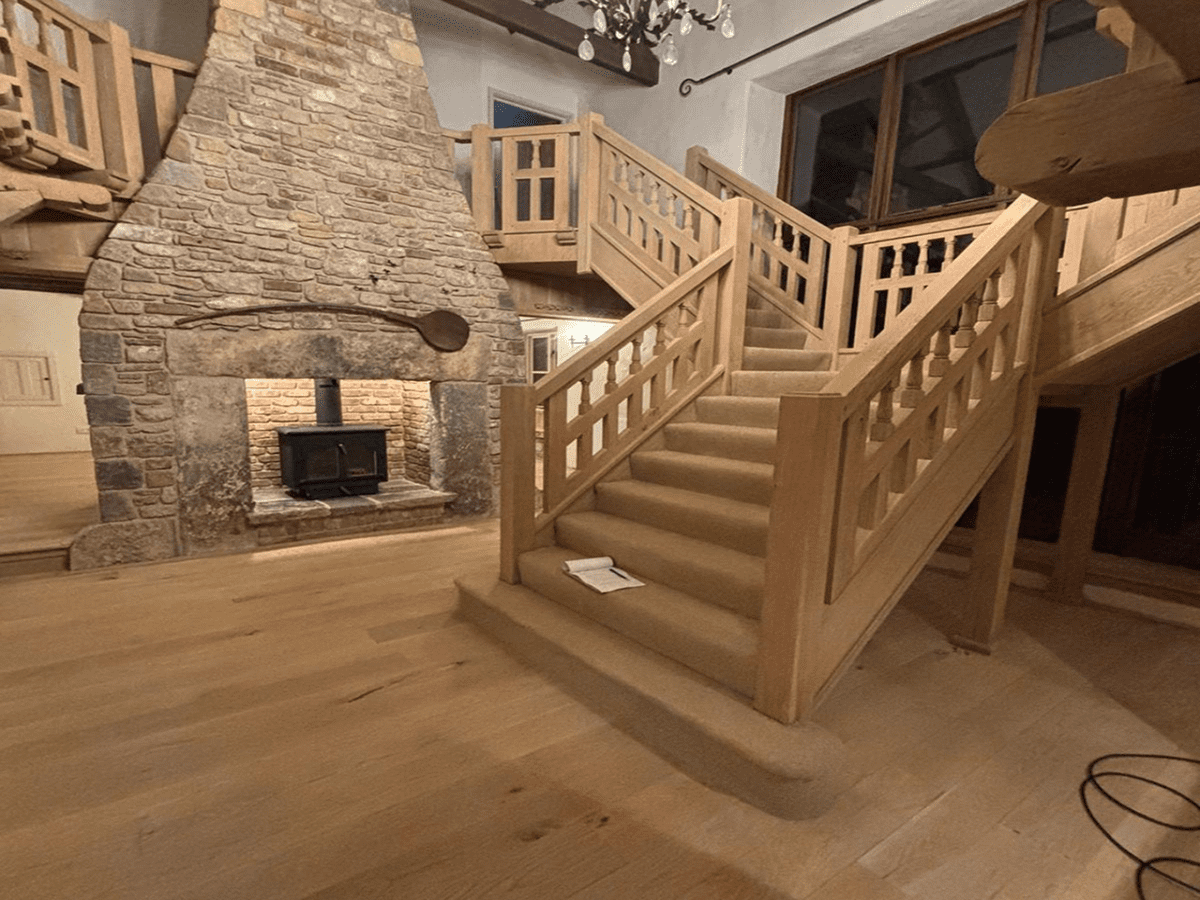
- Restoring oak beams and interior timberwork
- Removing soot or grime from listed buildings
Ideal Surfaces:
- Heritage brick and stone
- Wooden beams and interior panelling
- Fire-damaged walls, ceilings, or structures
Because soda blasting leaves surfaces intact and deodorises as it cleans, it’s particularly useful for period homes, churches, and listed properties around Northampton that require conservation-grade care.
Choosing the Right Blasting Method
Every surface and situation demands a tailored approach.
- Sandblasting offers powerful all-round cleaning for masonry, timber, and metal.
- Shot blasting delivers industrial strength for steel and concrete.
- Soda blasting provides precision cleaning for historic or delicate materials.
Before starting, a professional assessment ensures the right pressure, abrasive type, and containment setup — keeping the substrate safe while achieving the desired finish.
Northampton’s Surface Restoration Experts
Whether you’re restoring an old brick terrace in Abington, cleaning stonework in the town centre, or preparing industrial flooring on the Brackmills estate, professional blasting brings visible, lasting results. At Sandblasting Northampton, our team specialises in sandblasting, shot blasting, and soda blasting for both domestic and commercial clients — combining experience with the right equipment to restore, clean, and protect surfaces across Northamptonshire.
From heritage restoration to industrial maintenance, our goal is simple: to uncover the original beauty of every surface, safely and effectively.